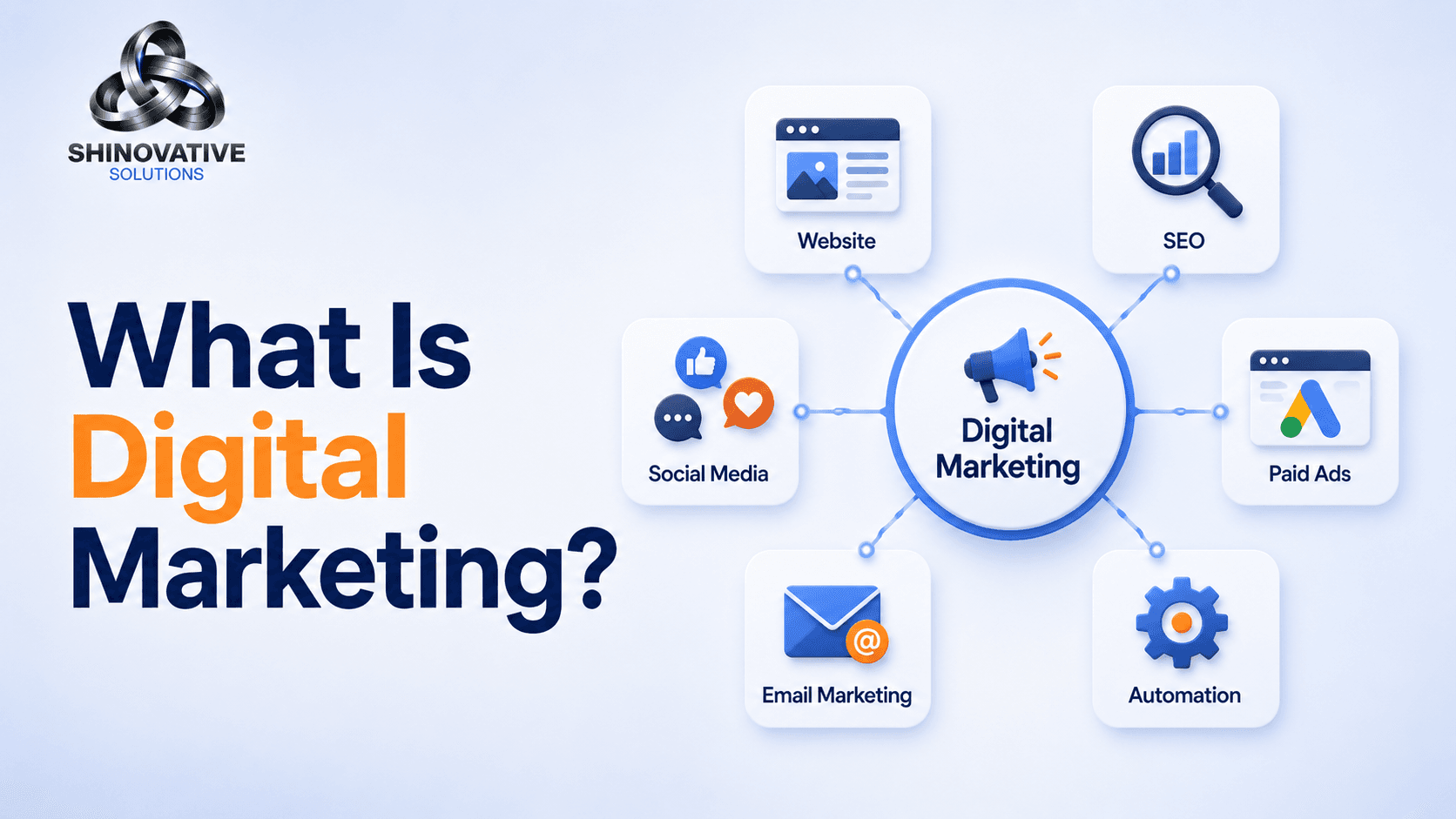
What Is Digital Marketing? A Beginner-Friendly Business Guide
A business owner hears the same advice again and again:
“Post on Instagram.” “Run Google Ads.” “Do SEO.” “Build a better website.” “Use AI automation.” “Start email marketing.”
After a point, everything sounds important and confusing at the same time.
That is why many businesses do random marketing. They post when they remember, run ads when sales are low, update the website once in a while, and hope something works.
Digital marketing becomes much easier when you understand one simple idea:
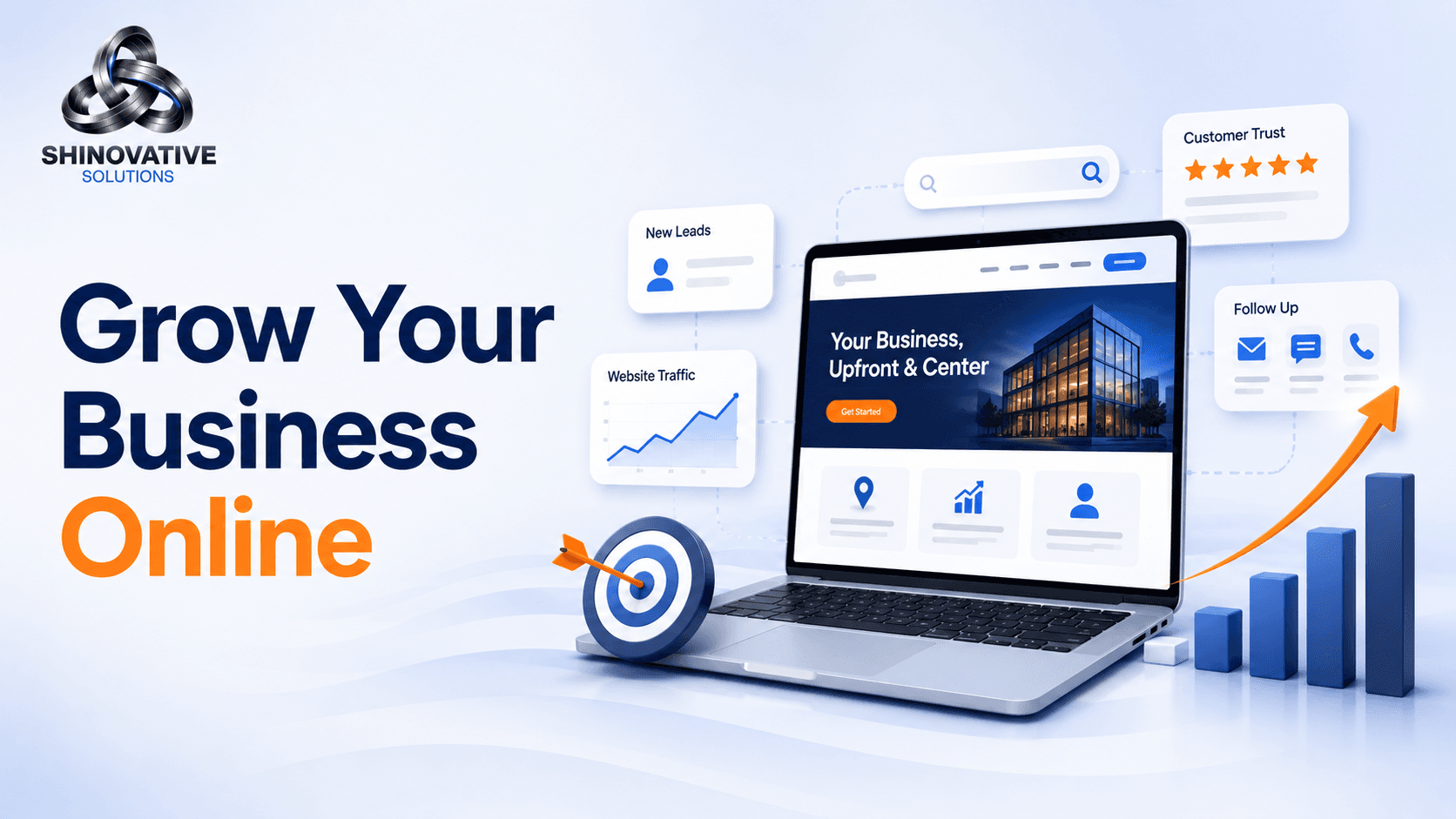
Digital marketing is the system of helping the right people discover your business online, trust your offer, and take action.
It is not just posting. It is not just ads. It is not just having a website.
It is the full online journey from visibility to customer.
What Is Digital Marketing?
Digital marketing is the use of online channels to promote a business, attract customers, generate leads, and increase sales.
These channels can include:
- Websites
- Google Search
- Google Maps
- SEO
- Google Ads
- Facebook and Instagram Ads
- Social media content
- Blogs
- Email marketing
- WhatsApp marketing
- E-commerce platforms
- AI automation
- Online reviews
In simple words, digital marketing helps your business show up where customers already spend time: search engines, social media, websites, mobile apps, and online marketplaces.
But the goal is not just to be visible. The goal is to be visible with a clear message and a clear next step.
A Simple Example
Imagine a local bakery.
Without digital marketing, the bakery depends mostly on walk-ins, word of mouth, and repeat customers.
With digital marketing, the bakery can:
- Appear when someone searches “best bakery near me”
- Show photos and reviews on Google Maps
- Post cakes and offers on Instagram
- Run Meta Ads before festivals
- Create a website with menu and order options
- Collect WhatsApp inquiries
- Send reminders for birthdays and events
- Ask happy customers for reviews
Now the bakery is not waiting for customers to accidentally find it. It is creating multiple paths for customers to discover and contact it.
That is digital marketing in action.
The Main Parts of Digital Marketing
Digital marketing has many parts, but they are easier to understand when grouped by purpose.
1. Website: Your Digital Home
Your website is often the center of your online presence.
It should explain:
- Who you are
- What you offer
- Who you help
- Why people should trust you
- How to contact you
A website should not be just a digital brochure. It should help visitors take action.
For example, a service business website should have clear service pages, reviews, contact buttons, and forms. An e-commerce website should have product pages, easy checkout, trust badges, and order information.
A good website turns attention into inquiries or sales.
2. SEO: Helping People Find You on Google
SEO stands for Search Engine Optimization.
It means improving your website and online presence so people can find you on search engines like Google.
SEO can help your business appear when customers search things like:
- local SEO services near me
- best salon in my area
- website development company
- dentist near me
- buy handmade candles online
SEO is useful because it builds long-term visibility. Unlike paid ads, you do not pay for every organic click.
But SEO takes time. It needs clear pages, helpful content, technical improvements, keywords, internal links, and trust signals.
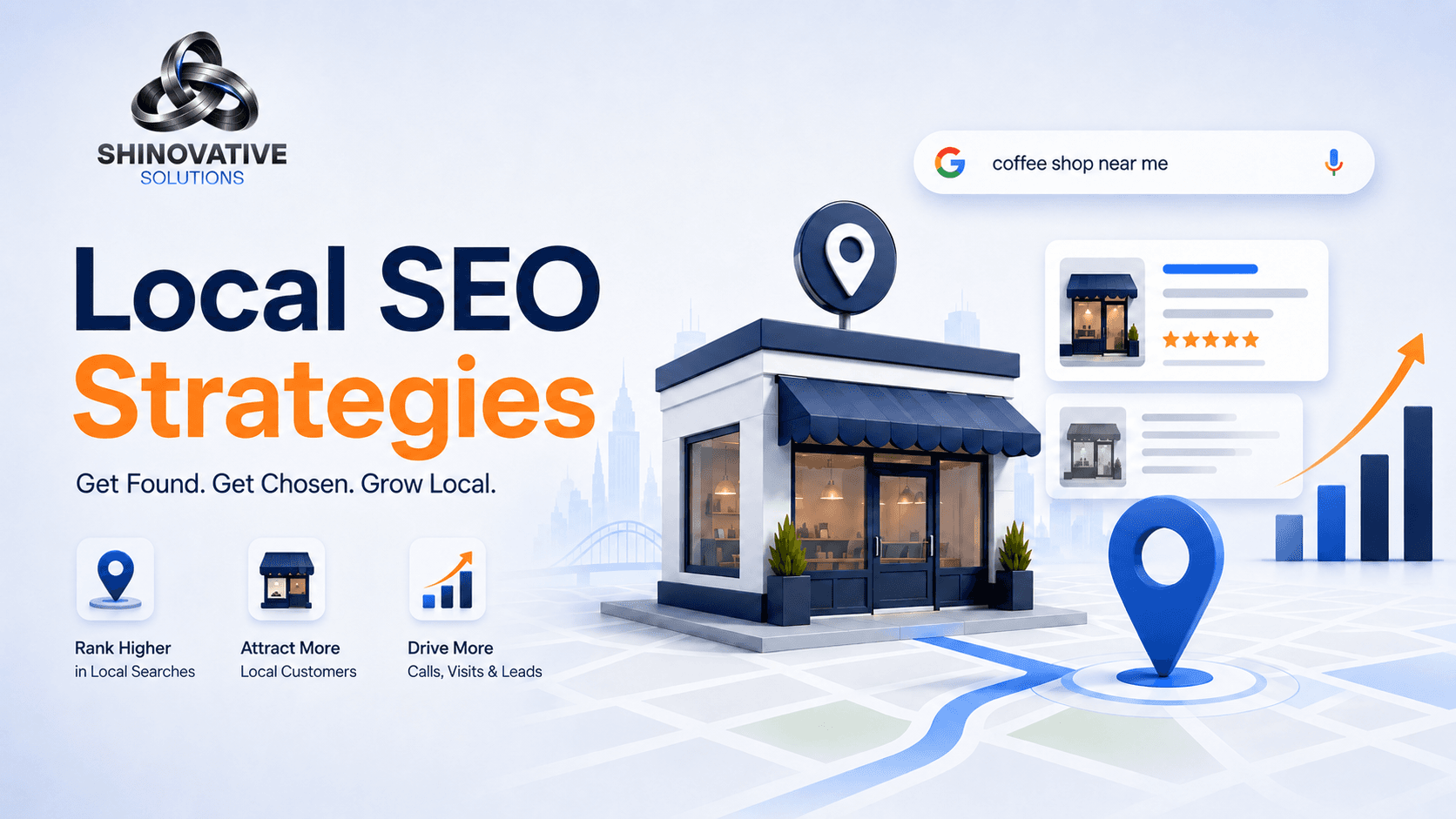
3. Local SEO: Getting Found by Nearby Customers
Local SEO is a special type of SEO for businesses that serve a specific area.
It helps businesses appear in:
- Google Maps
- “Near me” searches
- Local search results
- City-based service searches
For example:
- cafe near me
- plumber in Hyderabad
- local SEO agency near me
- dental clinic in Vijayawada
Local SEO depends on your Google Business Profile, reviews, photos, service categories, website, and business information consistency.
For local businesses, this can be one of the most valuable digital marketing channels because customers searching locally often have strong buying intent.
4. Google Ads: Showing Up When People Are Searching
Google Ads lets businesses pay to appear for specific searches.
For example, if someone searches:
Google Ads agency for small business
A paid ad can appear near the top of search results.
Google Ads is powerful because people are already searching for something. That means the intent is active.
But Google Ads must be managed carefully. Poor keyword choices, weak landing pages, and missing conversion tracking can waste budget quickly.
A good Google Ads campaign connects keywords, ad copy, landing pages, and tracking.
5. Meta Ads: Reaching People on Facebook and Instagram
Meta Ads include ads on Facebook, Instagram, Messenger, and other Meta placements.
Unlike Google Ads, Meta Ads usually reach people while they are scrolling, not searching.
That means the ad needs a strong hook and clear offer.
Meta Ads are useful for:
- Awareness
- Lead generation
- Retargeting
- Product sales
- Event promotion
- Local offers
- Brand building
For example, a gym can show ads to people nearby who are interested in fitness. An e-commerce brand can retarget people who visited a product page but did not buy.
Meta Ads work best when creative, audience, offer, and follow-up are planned together.
6. Social Media Marketing: Building Trust Over Time
Social media marketing is not just about posting daily. It is about staying visible, educating customers, showing proof, and building trust.
Good social content can include:
- Tips
- Customer stories
- Behind-the-scenes content
- Results
- FAQs
- Offers
- Educational videos
- Product demos
- Founder insights
For many customers, social media is where they check if a business feels active and trustworthy.
A business with useful, consistent content often feels more reliable than a business with an empty or outdated page.
7. Content Marketing: Teaching Before Selling
Content marketing means creating helpful content that answers customer questions.
This can include:
- Blogs
- Guides
- Videos
- Checklists
- FAQs
- Case studies
- Social media posts
For example, a digital agency can write blogs like:
- How to rank higher on Google
- Google Ads vs SEO
- Local SEO checklist
- How to improve website leads
This helps customers learn, and it also helps Google understand what your business is about.
When people learn from your content, they are more likely to trust your service.
8. AI Automation: Saving Time and Improving Follow-Up
AI automation helps businesses reduce repetitive work.
It can help with:
- Lead follow-up
- Customer replies
- Appointment reminders
- Email sequences
- CRM updates
- Report generation
- Chatbots
- Review requests
For example, if someone fills out a website form, automation can instantly send a confirmation message, notify the team, store the lead, and trigger a follow-up.
This reduces missed opportunities.
Automation does not replace human relationships. It supports them by making the process faster and more consistent.
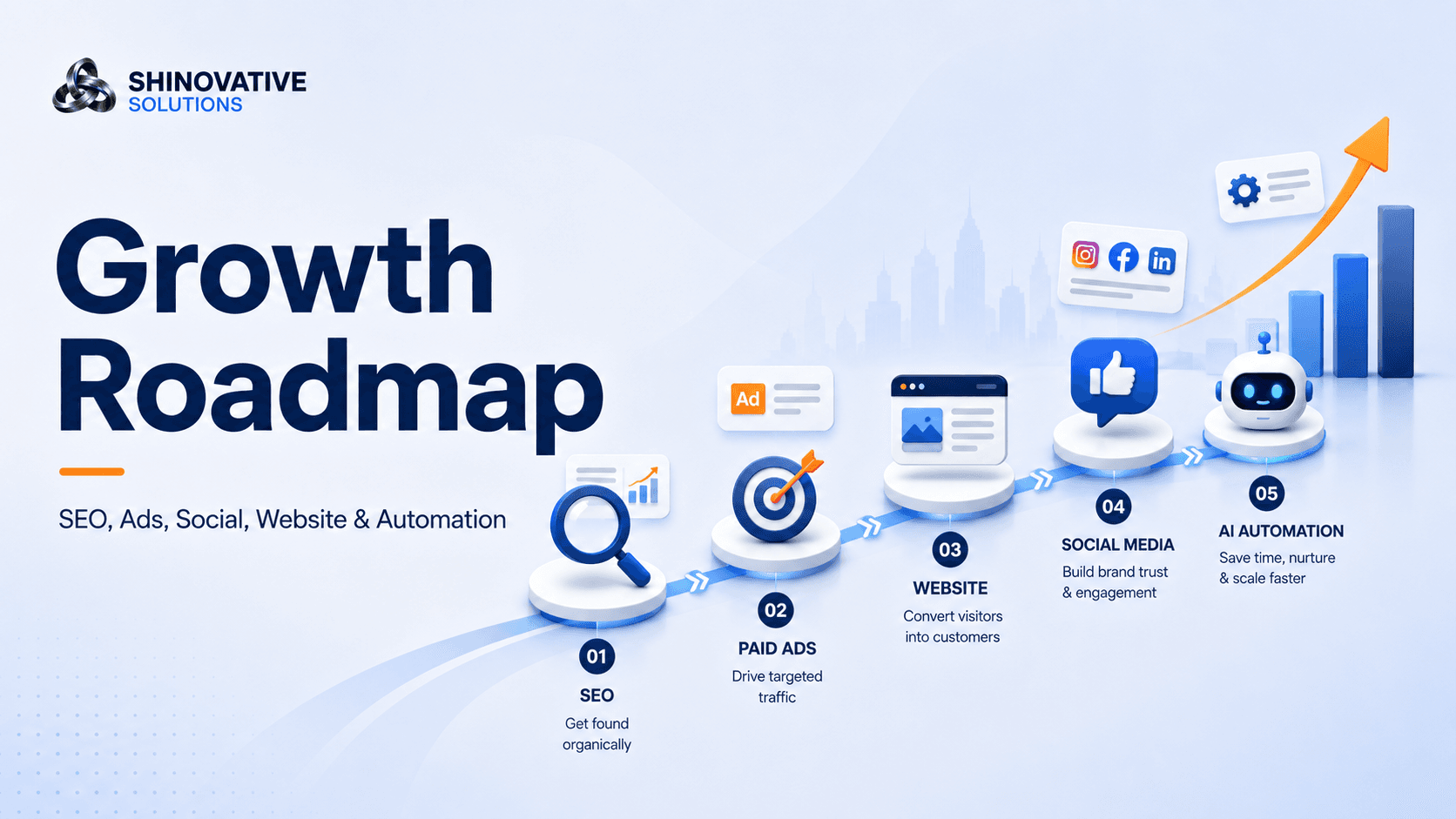
How Digital Marketing Works Together
The strongest results happen when channels are connected.
Example journey:
- A customer sees your Meta Ad.
- They visit your website.
- They do not inquire immediately.
- Later, they search your business on Google.
- They read reviews.
- They return to your website.
- They fill out a form.
- Your automation sends a follow-up.
- Your team calls them.
- They become a customer.
This is why digital marketing should not be treated as separate random tasks.
It is a connected customer journey.
Common Beginner Mistakes
1. Starting with tools instead of strategy
Do not start by asking, “Should we run ads?” Start by asking, “What problem are we trying to solve?”
2. Expecting one channel to do everything
SEO, ads, social media, and websites all have different roles.
3. Posting without a purpose
Content should educate, build trust, answer questions, or guide people toward action.
4. Ignoring follow-up
Many leads are lost because nobody responds quickly or clearly.
5. Measuring only likes and views
Track leads, calls, sales, bookings, and qualified inquiries.
Quick Digital Marketing Starter Checklist
If you are just starting, focus on these basics:
- Create a clear website
- Add proper service pages
- Set up or improve Google Business Profile
- Collect customer reviews
- Choose one primary marketing channel
- Create useful content
- Add clear contact options
- Track leads and inquiries
- Follow up quickly
- Improve monthly based on results
You do not need to do everything at once. Start with the basics and build step by step.
Final Takeaway
Digital marketing is not about being everywhere.
It is about helping the right people find you, understand you, trust you, and contact you.
A strong digital marketing system connects your website, SEO, ads, social media, content, reviews, and follow-up process.
When these pieces work together, your online presence becomes more than visibility.
It becomes a growth engine for your business.
FAQs
What is digital marketing in simple words?
Digital marketing means promoting and growing a business online using channels like websites, Google, social media, ads, content, email, and automation.
Is digital marketing useful for small businesses?
Yes. Digital marketing helps small businesses reach nearby or targeted customers, build trust, generate leads, and compete online.
What is the first step in digital marketing?
The first step is understanding your audience, offer, and goal. After that, build a clear website and choose the most relevant marketing channels.
Is SEO better than paid ads?
SEO and paid ads serve different purposes. SEO builds long-term visibility, while paid ads can bring faster traffic and leads.
Do I need social media if I have a website?
Yes, social media can support trust and visibility, but it should work together with your website, SEO, and lead-generation strategy.
Internal Link Suggestions
Link this blog to:
- Digital Marketing Services page
- Website Development Services page
- Local SEO Services page
- Google Ads Services page
- Meta Ads Services page
- AI Automation Services page
- Contact page
Suggested anchor text:
- digital marketing services
- website development
- local SEO
- Google Ads
- Meta Ads
- AI automation
- digital growth strategy
Soft CTA
If digital marketing feels confusing, you are not alone. Most businesses struggle because they are doing many online activities without a connected strategy.
Shineovative Solutions can help you understand where your business currently stands online and what steps can create better visibility, trust, leads, and growth.